Windows 11 Extended Security Updates: How to Enroll in 2025
- July 29, 2025
- 0
As Microsoft phases out support for older Windows 11 versions, millions of users face a crucial question: how to keep their devices secure in 2025? That’s where the

As Microsoft phases out support for older Windows 11 versions, millions of users face a crucial question: how to keep their devices secure in 2025? That’s where the
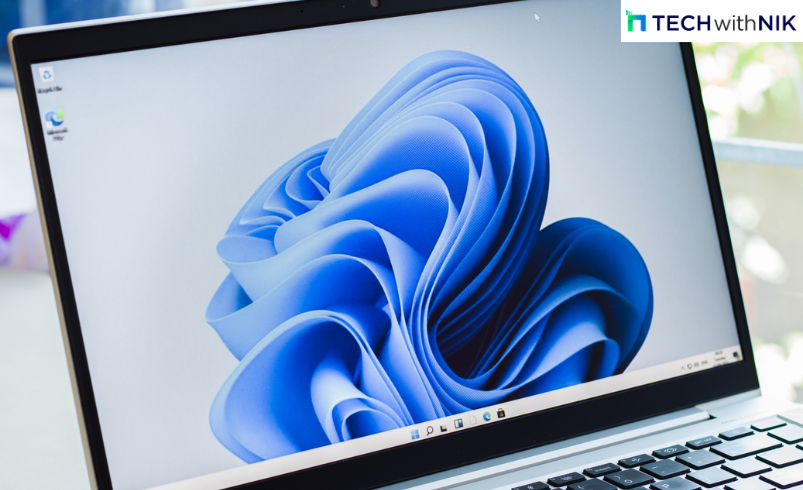
As Microsoft phases out support for older Windows 11 versions, millions of users face a crucial question: how to keep their devices secure in 2025? That’s where the Windows 11 Extended Security Updates (ESU) program comes into play.
At TechwithNik, we break down exactly how to enroll in this program, who needs it, and why it’s a smart move — especially if you’re not ready to switch to a newer version of Windows. Whether you’re an individual user or managing IT systems, this guide covers everything you need to know.
Microsoft’s ESU program is designed to extend security patch support beyond the official end-of-support date for specific Windows 11 builds. This is especially helpful for users running mission-critical applications or legacy hardware.
This is one of the most important tech guides 2025 users should be aware of — as it directly impacts device security and software stability.
Not everyone needs ESU. Microsoft ends support for Windows 11 version 21H2 and earlier builds in 2025. If you’re using these and can’t upgrade immediately, ESU helps bridge the gap.
For readers of our tech blog India, we’ve noticed a large number of local businesses fall into this category — especially those using older systems in production.
Here’s a quick breakdown from TechwithNik on how to get started with ESU:
Go to Settings > System > About. If you’re on version 21H2 or earlier, you’re eligible.
You can obtain licenses through:
Download the ESU Licensing Preparation Package from the Microsoft Update Catalog.
Open Command Prompt and run:
bashCopyEditslmgr /ipk <your_ESU_key>
slmgr /ato
Your system will now continue to receive security patches through Windows Update.
This process ensures your PC remains protected while you explore New Windows features 2025 before switching completely.
The ESU program has a tiered pricing model that increases annually:
Discounted rates are available for educational institutions and government organizations through Microsoft partners.
Although ESU gives you breathing room, Microsoft has launched several powerful New Windows features 2025, such as AI-enhanced multitasking, cloud sync improvements, and native app optimizations. These features are only available in newer builds like Windows 11 24H2.
If your hardware supports it, a clean upgrade is the smarter long-term solution.
At TechwithNik, we simplify complex updates, help you navigate system changes, and deliver verified news you can trust. From OS rollouts to detailed software walkthroughs, we’re your go-to destination for the most current and reliable tech advice.